History of a landscape
Whist in Finland I decided to read Simon Armitage’s Walking Home in which he walks and then writes about the Pennine Way. I thought it would be interesting to read something about a landscape and a journey that is quite local to where I live (Yorkshire) whilst I am staying in a totally different place. Although I didn’t think about it at the time of choosing the book, I guess this relates to what I am hoping to explore in making the short video about imaginary journeys/places too.
Reading the book has made me realise how little I know about the landscape in the UK and about how to read its history and geography. The term ‘landscape’ perhaps conveys the idea of the environment as a kind of panorama to be taken in, rather than something that is lived in and experienced and that has a social and geological history to it too. Maybe I need to think a bit more about what I want to do with my images of landscape and why. Or, probably, I just need to start doing something and see what happens!
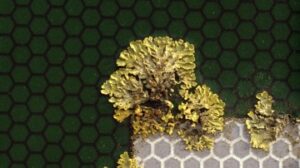 Also this week I watched a film about another UK journey. Robinson in Ruins by Patrick Keiller. The film is made up of a series of fixed-frame shots of different landscapes, urban and rural, around Oxfordshire (incidentally the area where I grew up although it’s another landscape I don’t know much about).
Formally this use of still-ish images and first person narration is a method I have used to make a a video before and has kind of been my default approach to starting to think about making video again. But it somehow doesn’t seem right to take long, lovely looking landscape shots of the area around where I am staying in Finland and to structure these into a video. After all what would I say about them? What would the story be? This feeling is, I think, to do with it being a landscape that I know nothing about but also that I have have no personal investment with. The video where I did use this method was of a bus stop very near to where I lived and I am currently thinking about making a couple of others centred on my own home and the views from it.
One thing that didn’t register when I bought a copy of Robinson in Ruins last year after seeing Keiller’s commission at Tate Britain, is that it was made as part of a wider research project on The future of landscape and the moving image. To quote the project website: since 2007 the project “has explored received ideas about mobility, belonging and displacement, and their relationship with landscape and images of landscape, in a context of economic and environmental crisis.” So I am sure there is more of interest for me to look at there.